Canbury Gardens wedding flowers case study
Posted on 25/09/2026
Planning wedding flowers for Canbury Gardens sounds simple at first, and then the details start piling up. What flowers suit the setting? How do you keep the look elegant without overdoing it? What works when the weather is changeable, the timeline is tight, and the ceremony space needs to feel personal rather than staged? This Canbury Gardens wedding flowers case study explores those questions in a practical, down-to-earth way, so you can see how a thoughtful floral plan supports the whole day.
Whether you are comparing styles, checking what is realistic for a local outdoor or garden-inspired wedding, or simply trying to understand how a florist approaches the brief, this guide walks through the process from initial ideas to final setup. It also explains the decisions that matter most, the mistakes that can catch people out, and the little details that make a design feel calm, polished, and memorable. Truth be told, flowers do a lot of heavy lifting at a wedding.
They frame the space, shape the mood, and help everything feel intentional.
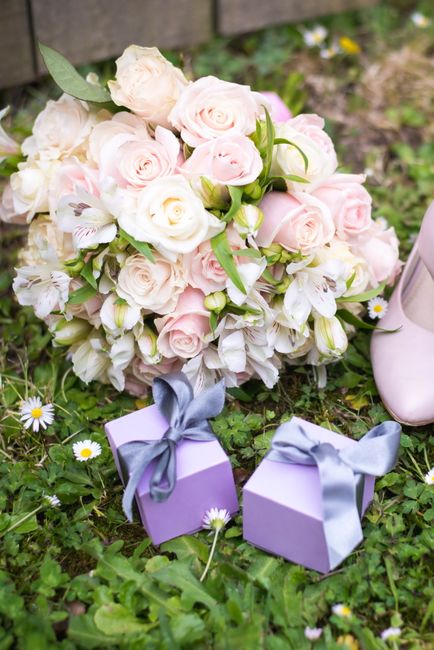
Table of Contents
- Why Canbury Gardens wedding flowers case study Matters
- How Canbury Gardens wedding flowers case study Works
- Key Benefits and Practical Advantages
- Who This Is For and When It Makes Sense
- Step-by-Step Guidance
- Expert Tips for Better Results
- Common Mistakes to Avoid
- Tools, Resources and Recommendations
- Law, Compliance, Standards, or Best Practice
- Options, Methods, or Comparison Table
- Case Study or Real-World Example
- Practical Checklist
- Conclusion
- Frequently Asked Questions
Why Canbury Gardens wedding flowers case study Matters
A wedding flower case study is not just a nice story about bouquets and buttonholes. It is a useful way to understand how floral decisions are made in the real world, where budgets, venue conditions, seasonal availability, and last-minute changes all matter. For a place like Canbury Gardens, that matters even more because garden settings naturally invite a softer, more organic style. You are not trying to fight the surroundings. You are trying to work with them.
That is where a case study becomes genuinely useful. It shows how a florist interprets the space, what gets prioritised, and how a design can feel cohesive without being overcomplicated. If you are planning your own wedding flowers, this kind of example helps you separate the fun ideas from the practical ones. And let's face it, wedding inspiration can get a bit wild online. One minute you want meadow-style abundance, the next minute you are wondering if a single stem in a bud vase is somehow enough.
For local weddings in and around Kingston, the venue setting, transport logistics, and timing all shape the final result. Even a beautiful floral plan can fall short if it does not suit the site, the weather, or the ceremony flow. A case study helps you see the full picture rather than just the pretty part.
Expert summary: A strong wedding flower plan is not about using the most flowers. It is about using the right flowers, in the right places, with the right timing, so the whole day feels considered and calm.
How Canbury Gardens wedding flowers case study Works
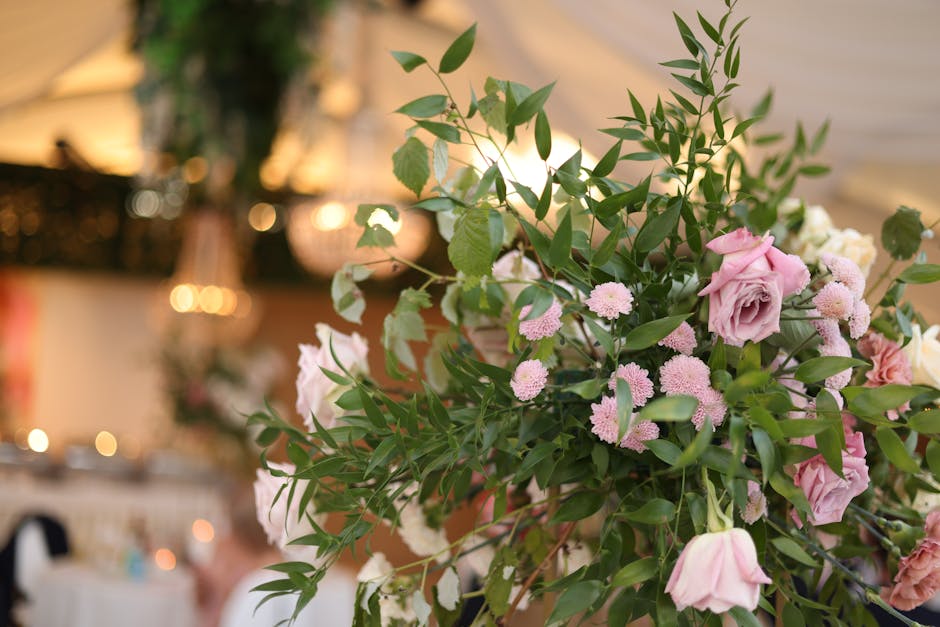
The simplest way to understand this topic is to think of it as a design brief translated into a floral plan. A couple or planner shares the vision, the florist assesses the venue and timing, and then a proposal is shaped around structure, colour, seasonality, and budget. For Canbury Gardens, a garden-led design often works best when it feels natural rather than too formal. Soft textures, layered greens, and flowers that move gently in the light tend to sit well in that kind of setting.
A good case study usually follows a few clear stages:
- Discover the brief - style, palette, budget range, and the atmosphere the couple wants.
- Review the venue - ceremony location, access, setup time, weather exposure, and where arrangements will be seen from.
- Select the flowers - based on season, colour, shape, and how well they hold up during the day.
- Plan the mechanics - containers, water sources, foam-free options where possible, and transport safety.
- Coordinate delivery and installation - so bouquets, ceremony flowers, and table pieces arrive at the right moment.
- Check the final styling - to make sure everything looks balanced once it is in place.
That is the practical side. The creative side sits on top of it. A florist may start with one idea and then adjust it because the light in the space, the table shapes, or the season suggests something better. In our experience, that flexibility is often what separates a decent setup from a memorable one.
If you are browsing floral styles, it can help to look at broader wedding ranges too, such as wedding flowers in Kingston upon Thames, or to compare specific bridal and ceremony pieces like bridal bouquets and wedding table arrangements. Those pages can help you see how individual elements fit into a wider floral scheme.
Key Benefits and Practical Advantages
A case-study approach gives you more than inspiration. It gives you decision-making clarity. That is the real value. Once you see how a floral plan is built, you can judge whether it is suitable for your own venue, your own timeline, and your own budget.
- Better visual coherence: You can match ceremony flowers, bridal bouquets, and reception pieces instead of treating them as separate purchases.
- More realistic budgeting: You see where the spend is doing useful work and where a simpler option would do just fine.
- Less waste: Flowers can often be repurposed from ceremony to reception if the plan allows for it.
- Stronger venue fit: A garden setting usually rewards designs that feel seasonal and soft rather than stiff or overly structured.
- Lower stress on the day: Clear delivery and setup planning keeps things moving. Wedding mornings can already feel like a small circus.
There is also a trust benefit. When a florist explains the thinking behind a design, you are not buying a vague promise. You are seeing how they solve problems. That matters if you want confidence that the flowers will hold up in real conditions, not just in a mood board.
For couples comparing styles, options like wedding collections and dedicated pieces such as buttonholes can help you build a package that feels complete without becoming overblown.
Who This Is For and When It Makes Sense
This sort of case study is useful for a few different people. Some are actively planning a wedding. Some are supporting a couple and trying to make sensible recommendations. Others are simply trying to understand what a florist actually does beyond arranging pretty stems in a vase. Fair enough, that part can look deceptively simple from the outside.
It makes particular sense if you are:
- planning a wedding with a garden, outdoor, or semi-outdoor feel
- working with a venue where setup time is limited
- trying to keep your floral style elegant but not formal
- looking for ways to reuse arrangements across ceremony and reception
- balancing design aspirations with a practical budget
- comparing local florist options and want a clearer brief
It also helps if you care about the emotional tone of the day. Wedding flowers are not just decor. They can change how the room feels when people enter. They can make a small ceremony feel intimate or a larger space feel softer. That emotional effect is hard to measure, but very real when you walk in and suddenly think, yes, this feels right.
Step-by-Step Guidance
If you are planning wedding flowers for a setting like Canbury Gardens, a step-by-step approach keeps the whole process manageable. The aim is not to be rigid. It is to avoid the common chaos that comes from making flower decisions in random bursts.
1. Start with the venue mood
Look at the space as it will actually be seen by guests. Is it light and airy? Does it already have strong greenery? Is the ceremony area compact? These details shape everything else. A busy arrangement can overwhelm a small space, while a sparse one may disappear in a larger setting.
2. Decide the floral priorities
Not every wedding needs every floral element. Some couples prioritise the bridal bouquet and ceremony backdrop. Others want table arrangements and buttonholes to carry the theme through the whole day. Decide what matters most before you get drawn into extras.
3. Choose a palette that suits the setting
For garden-style spaces, muted blush, white, ivory, soft green, pale peach, and delicate lilac often work beautifully. Strong colours can still work, of course, but they need to be balanced carefully. A little contrast can be lovely. Too much, and the room starts shouting instead of speaking.
4. Match flowers to season and durability
Seasonal flowers are usually more reliable and often easier to source in good condition. Durability matters too, especially if the day involves transport, warm weather, or several hours between setup and speeches. A pretty bloom is no use if it collapses halfway through the photos. Happens more often than people think.
5. Confirm logistics and timing
Delivery windows, access points, and setup rules should all be checked early. If the venue has tight access or specific restrictions, the florist needs to know in advance. The same goes for strike times, especially if arrangements need moving after the ceremony.
6. Build in a plan for repurposing
If you are working to a sensible budget, this is one of the smartest moves. A ceremony arrangement can often be moved behind the top table, beside the cake, or into the reception entrance after the vows. It is one of those small practical ideas that makes a big difference.
7. Review the final design details
Ask how the bouquets will be tied, what the containers look like, and whether the styling will be loose, structured, cascading, or hand-tied. Those finishing details matter more than people realise. They affect how polished the flowers feel in photographs and in real life.
Expert Tips for Better Results
A few quiet decisions tend to improve wedding flowers more than the flashy ones. These are the sorts of things that experienced florists keep an eye on.
- Keep one hero element and support it. For example, if the bridal bouquet is the main feature, let the table flowers be quieter and more textural.
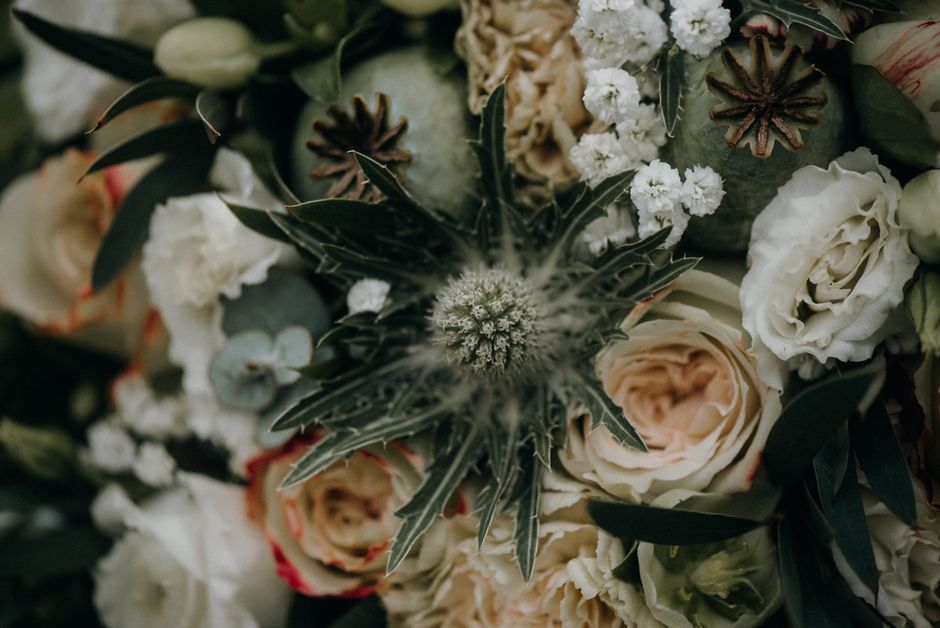
- Use foliage with purpose. Greenery should frame the flowers, not just fill gaps.
- Think in levels. Low table arrangements, mid-height ceremony pieces, and compact personal flowers create rhythm.
- Ask for a visual hierarchy. The key flowers should be obvious at a glance, especially in photos.
- Plan for the weather you might get, not the weather you hope for. Even in a beautiful month, England likes to keep people guessing.
- Keep the scent in mind. A heavily scented design can be lovely, but not if it competes with food or feels overwhelming in a small room.
One practical tip that often gets overlooked: ask for flower choices that will still look good later in the day. You do not want blooms that only look perfect for the first ten minutes. Weddings are long. Guests linger. Photos happen later than expected. Your flowers need stamina as well as style.
If you want a broader view of delivery and timing support, pages such as delivery information and flower care guidance can be useful alongside the wedding planning conversation.
Common Mistakes to Avoid
Most wedding flower problems are not dramatic disasters. They are small planning mistakes that add up. The good news? They are usually easy to avoid once you know what to look for.
- Ignoring venue scale: A design that looks amazing in a large inspiration photo may be too much for a more intimate setting.
- Choosing flowers only for appearance: Some flowers are beautiful but delicate. Beauty is only half the job.
- Forgetting transport and installation: A bouquet can be perfect on the workbench and awkward in the car if it has not been packed properly.
- Leaving the brief too vague: "Something pretty" is not a strong design direction. Helpful, but not enough.
- Trying to match everything exactly: Slight variation gives arrangements life. Too much matching can look flat.
- Not asking what happens after the ceremony: If you want flowers reused, say so early.
Another common one is underestimating how much the flowers need to do in photos. The camera sees shape and contrast differently from the eye. A bouquet that looks lovely in hand can read as too small in pictures, especially outdoors. A florist with wedding experience will factor that in, but it is still worth mentioning during the planning stage.
Tools, Resources and Recommendations
You do not need a huge toolkit to plan wedding flowers well, but a few practical resources make the process easier. A lot easier, actually.
- Mood board or inspiration folder: Use it to collect styles, colours, and bouquet shapes you genuinely like, not just random pretty photos.
- Guest list estimate: Helps you judge table counts, buttonholes, and bouquet sizes.
- Venue plan or sketch: Useful for understanding where arrangements will sit and how guests will move through the space.
- Seasonal flower awareness: Knowing what is naturally available at your wedding time helps keep expectations realistic.
- Budget breakdown: A simple list of priorities usually works better than one all-in floral number with no detail.
For product-style planning, it can help to compare bridal, bridesmaid, and ceremony pieces side by side. Browse options such as bridal bouquet styles, bridesmaid bouquets, and wedding corsages to see how different elements can be coordinated without being identical.
If you are still exploring the wider range, the weddings collection is a good starting point for understanding what can be included in a full floral setup.
Law, Compliance, Standards, or Best Practice
Wedding flowers do not usually involve heavy regulation in the way some industries do, but there are still sensible standards and venue-related best practices to respect. These are worth taking seriously, especially when the setting is public, shared, or outdoors.
In practical terms, a florist should think about:
- Venue access rules: loading, unloading, setup windows, and any restrictions on vehicles or equipment
- Health and safety: keeping aisles clear, securing arrangements properly, and avoiding trip hazards from stands, wires, or loose items
- Flower conditioning: using fresh stock and handling stems carefully so arrangements last through the event
- Waste and cleanup: agreeing in advance what gets removed after the event and what stays behind
- Allergy awareness: being mindful of strongly scented flowers or heavy pollen where guests may be affected
There is also a professional standard issue that matters more than paperwork: clear communication. A good florist documents the brief, confirms timings, and flags anything that may affect the design. That way, nobody is guessing on the day. Simple, but crucial.
If the wedding involves sustainability concerns, ask about foam-free methods, reusable containers, locally sourced flowers where possible, and sensible repurposing plans. For many couples, these choices are not just ethical preferences; they are part of how they want the celebration to feel.
Options, Methods, or Comparison Table
Wedding flowers can be designed in different ways depending on budget, venue, and style preference. Here is a straightforward comparison to help you think it through.
| Approach | Best for | Strengths | Watch-outs |
|---|---|---|---|
| Minimal floral styling | Smaller ceremonies, tighter budgets | Clean, elegant, easier to manage | Can feel underdressed if the venue is visually busy |
| Seasonal garden-inspired design | Venues like Canbury Gardens or similar green settings | Natural, soft, cohesive with surroundings | Needs careful colour control to avoid looking messy |
| Classic formal styling | Traditional weddings and structured interiors | Polished, timeless, easy to photograph | May feel too rigid in a relaxed outdoor setting |
| Statement focal arrangements | Couples wanting a strong visual impact | Memorable, photo-friendly, high drama | Can use a larger share of the budget quickly |
In a garden setting, a seasonal garden-inspired design is often the most natural fit. That does not mean it has to be wild or rustic. It just means the flowers should feel as though they belong there. Not pasted on top, but placed with a bit of thought.
Case Study or Real-World Example
Here is a realistic example based on the kind of brief a florist might receive for a wedding at or near Canbury Gardens. The couple wants the day to feel relaxed, elegant, and green rather than overly formal. They like soft whites, pale blush, and fresh foliage. They want the bridal bouquet to feel special, the ceremony to look complete in photos, and the reception tables to feel warm without overcrowding the space.
The florist starts by prioritising a cohesive base palette: white roses, light textural blooms, and layered greenery. The bouquet is designed as the focal point, with a slightly looser shape so it suits outdoor photographs. Bridesmaid bouquets are smaller and lighter, echoing the same palette without stealing the show. Buttonholes are kept simple and neat, with enough detail to look intentional from close range.
For the ceremony, the design is built around one or two focal pieces rather than lots of scattered arrangements. That keeps the space calm and avoids visual clutter. After the ceremony, some pieces are moved to the reception entrance and table areas, which helps the flowers work harder across the day. Sensible. And very normal, by the way. There is no medal for buying flowers that only appear once.
The result is not about extravagance. It is about atmosphere. Guests notice the softness of the palette, the balance between flowers and foliage, and the way the setting feels connected from one part of the day to the next. That is the kind of outcome a good case study should highlight.
For couples comparing specific wedding items, products such as white bridal bouquet styles, groom buttonholes, and wedding collection bundles can be useful reference points when shaping a similar brief.
Practical Checklist
Use this checklist to keep your wedding flower planning on track. It is the kind of simple list that saves a lot of awkward back-and-forth later.
- Have you confirmed the ceremony and reception timings?
- Do you know exactly which areas need flowers?
- Have you chosen your main colour palette?
- Have you decided on the level of formality?
- Are you using seasonal flowers where possible?
- Have you checked venue access and setup restrictions?
- Do you want arrangements reused later in the day?
- Have you identified any scent or allergy concerns?
- Do you know what needs delivering first and what can arrive later?
- Have you asked how the flowers will look in photos and later in the day?
- Is there a clear contact for final delivery coordination?
Checklist done. Small win, but a useful one.
Conclusion
A thoughtful Canbury Gardens wedding flowers case study shows how floral design works best when it responds to the setting, the timeline, and the atmosphere the couple actually wants. The best results rarely come from making everything bigger or more complicated. They come from making sensible choices with care, and then letting the flowers do what they do best: soften the space, lift the mood, and make the day feel complete.
If you are planning your own wedding flowers, start with the venue, then the mood, then the practicalities. That order usually saves time and helps you avoid the usual stress spiral. And if you already know the look you want, even better. The florist can turn that into something grounded and beautiful, without losing the personality of the day.
Get a free quote today and see how much you can save.
Sometimes the simplest floral choices leave the deepest impression. That is often the quiet magic of a well-planned wedding.
Frequently Asked Questions
What is a Canbury Gardens wedding flowers case study?
It is a practical example showing how wedding flowers can be planned, designed, delivered, and styled for a wedding at or inspired by Canbury Gardens. The point is to show the thinking behind the floral choices, not just the final look.
Why is a case study useful for wedding flower planning?
It helps you understand how a florist balances style, venue conditions, seasonality, and budget. That makes it easier to judge whether a floral plan will actually work on the day, not just look good in a mood board.
What flowers usually suit a garden-style wedding setting?
Soft roses, lisianthus, hydrangea, orchids, alstroemeria, and layered greenery often work well, but the exact mix depends on the season and the look you want. A florist will usually steer you toward flowers that feel natural in the space.
How far in advance should I book wedding flowers?
As early as you can, especially for popular dates. The more time there is, the easier it is to reserve the right flowers, agree the design, and avoid rushed decisions. Last-minute is possible sometimes, but it narrows the options.
Can wedding flowers be reused during the day?
Yes, often they can. Ceremony arrangements may be repurposed for the reception entrance, top table, or cake area. It is one of the best ways to stretch the budget without making the flowers feel less special.
How do I keep wedding flowers within budget?
Focus on the most visible items first, use seasonal flowers where possible, and keep secondary pieces simple. A clear priority list is usually more effective than trying to buy everything at once.
What should I ask a florist before booking?
Ask about availability, flower options for your date, delivery timing, setup process, and whether the florist can work with your venue's access rules. It also helps to ask what they recommend for your chosen setting.
Do I need different flowers for bouquets and table arrangements?
Not necessarily. They can share the same palette and flower family while being scaled differently. That usually creates a much more cohesive look, which is exactly what most couples want.
What are the most common wedding flower mistakes?
The biggest ones are choosing flowers without thinking about the venue, leaving the brief too vague, and forgetting setup logistics. Another classic mistake is selecting flowers only because they look nice in a photo, without checking how well they hold up.
Are there any best practices for outdoor or garden weddings?
Yes. Choose reliable flowers, plan for weather changes, keep arrangements secure, and avoid overly delicate designs that may struggle in wind or heat. It also helps to think about how the flowers will look from guest level, not just close up.
Can I use the same flowers for the ceremony and reception?
Absolutely, and that is often a smart approach. The florist can design pieces that transition from one part of the day to the next. The main thing is making that plan early so the arrangements are easy to move.
How do I know if a floral style fits Canbury Gardens?
If the design feels calm, elegant, and in step with the surrounding greenery, it is probably on the right track. Garden settings usually reward softer shapes, natural textures, and a palette that does not fight the landscape.
What is the next sensible step if I want wedding flowers for a local venue?
Start with your date, venue details, and a rough sense of style. Then gather a few reference images and ask for a floral plan that matches the space, the season, and your budget. Once that is in place, the rest gets much easier.