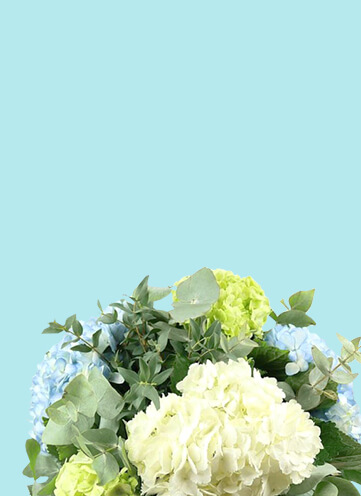
Eco bouquet recycling Kingston reuse and charity donation guide
Posted on 13/10/2026
If you have ever stared at a beautiful bouquet after the petals start to drop and thought, "What now?", you are not alone. The idea behind this Eco bouquet recycling Kingston reuse and charity donation guide is simple: keep flowers in use for longer, reduce waste, and make sure usable blooms, foliage, and packaging do some good before they are thrown away. In Kingston and the surrounding area, that usually means thinking beyond the vase on day one and planning for day three, day five, and beyond. A little care goes a long way, honestly.
This guide walks you through how bouquet reuse works, when donation makes sense, what can and cannot be recycled, and how to handle flowers in a way that is practical, respectful, and genuinely sustainable. You will also find a step-by-step process, common mistakes to avoid, and a checklist you can use straight away.
Table of Contents
- Why Eco bouquet recycling Kingston reuse and charity donation guide Matters
- How Eco bouquet recycling Kingston reuse and charity donation guide Works
- Key Benefits and Practical Advantages
- Who This Is For and When It Makes Sense
- Step-by-Step Guidance
- Expert Tips for Better Results
- Common Mistakes to Avoid
- Tools, Resources and Recommendations
- Law, Compliance, Standards, or Best Practice
- Options, Methods, or Comparison Table
- Case Study or Real-World Example
- Practical Checklist
- Conclusion
- Frequently Asked Questions
Why Eco bouquet recycling Kingston reuse and charity donation guide Matters
Fresh flowers are often bought for a single moment: a birthday, a wedding, a thank-you, a condolence, a "just because" gift. Then the moment passes, the bouquet starts to fade, and the waste bin suddenly becomes the default plan. That is a shame, because many bouquets still have a useful life in them even when they no longer look gift-perfect.
Reusing and donating bouquets matters for three very grounded reasons. First, it lowers avoidable waste. Second, it gives more value to flowers that were already grown, cut, transported, and arranged. Third, it can bring comfort or brightness to someone else, whether that is a care home resident, a community group, or a charity setting where a little colour genuinely lifts the room.
In Kingston, where many households care about practical sustainability as much as appearance, this approach fits real life. Let's face it: nobody wants to feel guilty for enjoying flowers. But there is a better middle ground than binning everything once the top roses sag. A bouquet can be dismantled, refreshed, repurposed, composted, or donated depending on its condition. The trick is knowing which route makes sense.
Expert summary: If flowers are still clean, fresh enough, and free from mould or heavy damage, they can often be reused or donated. If they are too tired for display, they may still be suitable for drying, composting, or separating into useful parts.
How Eco bouquet recycling Kingston reuse and charity donation guide Works
The process is less technical than it sounds. Think of it as a sorting and decision-making system. You assess the bouquet, split it into parts if needed, and decide what should be kept, reused, donated, dried, composted, or discarded.
In practical terms, bouquet recycling is not always "recycling" in the strict materials sense. It often means:
- Reusing flowers in another arrangement, event, or home display.
- Donating suitable blooms to a charity, community group, hospice, care setting, or local initiative where accepted.
- Repurposing stems, petals, greenery, and containers into something new.
- Composting the parts that can no longer be used.
That distinction matters. A rose that is slightly open and still fragrant can be moved into a smaller vase. A hydrangea that is crisping at the edges may still be dried. A bouquet with visible mould, water damage, or strong decay should not be donated. Simple enough, but people do mix this up.
The best results come from acting early. By the time a bouquet has gone mushy in a warm kitchen window, your options narrow fast. If you notice the first signs of droop in the morning, that is usually the moment to sort stems, trim ends, and decide whether the flowers should be gifted onwards or given a second life at home.
Key Benefits and Practical Advantages
A thoughtful reuse or donation habit pays off in ways that are both environmental and personal. It is not grand, not flashy. Just useful.
1. Less waste heading to the bin
Even small bouquets can create a surprising amount of organic waste, ribbon, wrap, tape, and plastic packaging. When you reuse or donate what you can, you cut down the volume that ends up as rubbish. That is especially helpful if you regularly receive flowers for birthdays, anniversaries, or workplace celebrations.
2. Better value from every bouquet
Flowers are fleeting by nature, but they do not have to be one-and-done. Reusing roses in smaller jars, turning mixed stems into a compact arrangement, or drying the nicest blooms means you get more days of enjoyment from the same purchase. In plain English: you squeeze a bit more life out of something lovely.
3. A more thoughtful gift culture
When flowers are given a second use, the original gesture feels more lasting. Someone receives joy, then someone else does too. That chain of value is part of what makes bouquet donation appealing. It turns a short-lived item into something quietly generous.
4. Useful for homes, events, and businesses
Reuse and donation are not just for private households. Offices, salons, hotels, wedding venues, and community spaces can all benefit from a simple flower reuse habit. A reception desk arrangement can be refreshed into table posies; wedding florals can be split for staff rooms or guest spaces if the venue allows it.
5. It supports a cleaner, calmer approach to sustainability
Truth be told, sustainability can feel like a giant topic until you make it specific. Flowers are a good place to start because the action is visible, immediate, and satisfying. You can see the result on the table. You can smell it too, in a pleasant way, ideally.
Who This Is For and When It Makes Sense
This guide is for anyone in Kingston who receives, sends, arranges, or manages flowers and wants to make better use of them before they fade. That could be a homeowner, a bride planning post-wedding bouquet use, a florist, a care coordinator, a community organiser, or a business with regular floral displays.
It makes sense when flowers are still in decent condition, when you want to reduce waste, or when there is a charity or community setting that can genuinely use them. It also makes sense after events where many arrangements are left over, such as weddings, services, corporate functions, and family gatherings.
There are times when donation is not suitable, and that is worth saying plainly. If the bouquet has pests, mould, bad odour, or obvious decay, it should not be passed on. If it has been out of water for too long or handled in a way that damages hygiene, keep it out of donation channels. No awkwardness, just common sense.
Here is the short version:
- Best for reuse: fresh stems, healthy greenery, sturdy flowers, clean containers.
- Best for donation: fresh, presentable flowers with no visible damage or contamination.
- Best for drying: roses, lavender-like textures, eucalyptus, baby's breath, and other blooms that hold shape.
- Best for composting: wilted stems, spent heads, leaves, and biodegradable waste.
Step-by-Step Guidance
If you want a straightforward way to handle bouquet reuse or donation, use this process. It works for a few stems at home and for larger event leftovers too.
Step 1: Sort the bouquet immediately
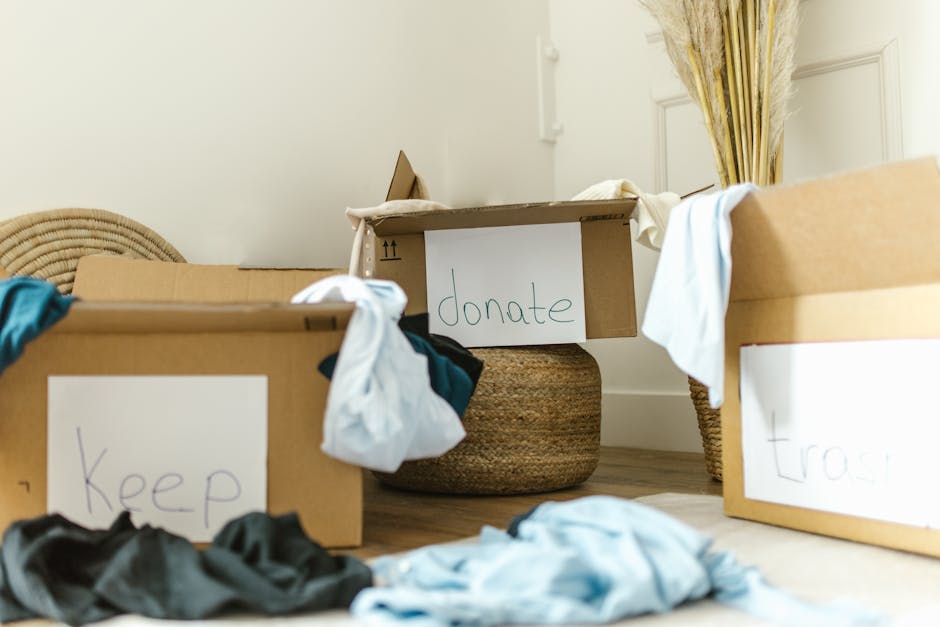
Remove any wrapping, water tubes, broken elastic, tape, and decorative picks. Separate the flowers into categories: still-fresh, slightly tired, good for drying, and ready for compost. This is where a kitchen counter and a decent pair of scissors come in handy. Nothing fancy.
Step 2: Check condition honestly
Look at the petals, stems, leaves, and smell. If the bouquet smells sweet and fresh, that is a good sign. If it smells sour or swampy, not so much. A few bruised petals are fine. Mould, slimy stems, or heavy browning are not.
Step 3: Refresh what can be saved
Trim stem ends at an angle, remove leaves below the water line, and place usable flowers into clean vases with fresh water. A clean vase matters more than people think. Even a lovely bouquet can fail quickly in a dirty container.
Step 4: Decide whether to donate
If the bouquet still looks presentable, contact the intended recipient first. Do not assume a charity or care setting can accept flowers at short notice. Many places have practical limits, especially if staffing is tight or if there are space and hygiene considerations. Ask politely, then follow their guidance exactly.
Step 5: Package carefully
For donation or transfer, keep stems hydrated, protect petals from crushing, and avoid over-tight wrapping. A loose paper wrap often works better than shiny plastic. It looks nicer and breathes a bit, which flowers appreciate more than you might expect.
Step 6: Repurpose the leftovers
Turn the best stems into smaller table vases, bedside jars, or a hallway display. Dry more delicate blooms by hanging them upside down in a dry room. Compost the rest if you have the means. If not, dispose of green waste in the appropriate local collection route if available in your area.
Step 7: Record what worked
This sounds a little over-organised, but it helps. If you regularly handle bouquet reuse for an office, venue, or family occasion, note which flowers held up best, which containers were easiest, and which donation route was practical. Next time, you will know what to do before the flowers even arrive.
Expert Tips for Better Results
There are a few small habits that make a surprisingly big difference. These are the sort of things florists and event teams pick up by doing it a dozen times, then wondering why everyone else is still guessing.
- Act early: the best time to reuse or donate flowers is before they peak-fade. Waiting until "tomorrow" often means losing the best stems.
- Use separate containers: put sturdy flowers, soft flowers, and drying candidates in different vessels so one weak stem does not spoil the whole look.
- Keep donation neutral: simple, clean presentation is best. Over-styled arrangements can be harder for recipients to place.
- Mind fragrance: strong scent is lovely in a home, but it may not suit every setting. A lighter mix is often safer for shared spaces.
- Choose hardy varieties when possible: carnations, chrysanthemums, alstroemeria, and roses often have a better second life than highly delicate blooms.
- Re-cut stems before reusing: even a tiny fresh cut can improve water uptake. It is one of those boring little jobs that really matters.
A practical rule of thumb: if you would be happy to place the bouquet on your own side table, it is probably in good enough shape for reuse. If you would hesitate, then donation may not be the right route. No drama. Just be honest with the flowers.
And yes, keep a spare pair of scissors somewhere sensible. The one in the drawer that also cuts string, tape, and the occasional stubborn ribbon knot. We all have one.
Common Mistakes to Avoid
Most bouquet reuse problems come from rushing or assuming too much. The mistakes are small, but they make the flowers look tired faster than necessary.
- Waiting too long: once flowers dry out or begin to rot, options shrink rapidly.
- Donating damaged blooms: if the bouquet is no longer hygienic or visually suitable, do not pass the problem along.
- Mixing clean flowers with spoiled ones: one bad stem can affect the rest of the vase.
- Ignoring packaging waste: ribbon, plastic film, foam, and wire need separate thought, not just the flowers themselves.
- Forgetting to ask first: a charity, care home, or local group may have policies about accepting floral donations.
- Using dirty water or containers: stale water shortens vase life fast. Very fast.
Another subtle mistake is overcomplicating the whole thing. You do not need a perfect sustainability plan for every bouquet. A couple of clean vases, sharp scissors, and a clear decision path will handle most situations well enough.
Tools, Resources and Recommendations
You do not need a large toolkit, but a few basics make bouquet reuse much easier. If you are handling flowers often, keep the following close by:
- Sharp scissors or floral snips: for clean cuts that help stems drink properly.
- Clean glass vases or jars: different sizes are useful for split bouquets.
- Paper wrap or reusable carriers: better for short transport than overusing plastic film.
- Rubber bands or soft ties: for grouping stems without crushing them.
- Bucket or jug of clean water: helpful if you are sorting several stems at once.
- Compost container or green waste route: for the parts that cannot be reused.
If you work in a business, venue, or community setting, it may also help to build a tiny flower policy. Nothing formal, just a one-page note on who checks bouquets, who contacts donation recipients, and where reusable vases live. That small bit of structure saves a lot of last-minute faff.
For readers looking to pair sustainability with flower ordering, the site's sustainability page is a sensible place to start, and if you need flowers for a specific occasion before they are repurposed later, you can look through the wider all flowers collection or choose a calmer mixed arrangement such as mixed colours. For event planning, that can be a surprisingly practical approach.
Law, Compliance, Standards, or Best Practice
For home use, there is usually no complicated legal issue with reusing or composting flowers. The more relevant point is hygiene and sensible handling, especially if flowers are being donated, moved between venues, or used around vulnerable people.
Best practice in the UK generally means:
- keeping flowers clean and free from visible decay before donation;
- following the receiving organisation's acceptance rules;
- separating organic waste from non-organic packaging where possible;
- being cautious with allergens, strong scents, and pollen-heavy blooms in shared spaces;
- handling event leftovers in a way that is safe, respectful, and not rushed.
If flowers are intended for a care environment, hospital-like setting, or any place with special restrictions, always check first. Some organisations accept floral donations only in certain areas or at certain times. Others may not accept them at all. That is not being difficult; it is usually about cleanliness, staffing, and the needs of residents or patients.
Packaging also matters. If a bouquet includes plastic wraps, foam holders, wire frames, or non-recyclable trims, those parts should be separated before composting or donation where practical. A bouquet is not just flowers, after all. It is a bundle of mixed materials, and each one needs a slightly different ending.
Options, Methods, or Comparison Table
Not every bouquet should follow the same path. Here is a simple comparison to help you choose the best option based on the condition of the flowers and what you want to achieve.
| Option | Best for | What it needs | Main downside |
|---|---|---|---|
| Reuse at home | Fresh or lightly tired flowers | Clean vase, fresh water, quick trimming | Shorter display time than new flowers |
| Donate to a charity or community group | Presentable, hygienic bouquets | Prior permission and careful transport | Not every organisation can accept flowers |
| Dry the bouquet | Flowers with good shape retention | Dry room, patience, gentle handling | Colours may fade |
| Compost the remains | Spent flowers and leaves | Compost setup or green waste route | Not a visual reuse, just responsible disposal |
If you are unsure, start with the simplest test: does the bouquet still look and smell pleasant enough to sit on a table? If yes, reuse or donation may be possible. If not, drying or composting is usually the better route. Simple, really.
Case Study or Real-World Example
Picture a small Kingston household after a family celebration on a Sunday afternoon. There is a mixed bouquet on the dining table, two roses have started to open beautifully, the lilies are still holding shape, and the greenery is a little thirsty but not ruined. Instead of leaving everything in one vase until it collapses, the flowers are sorted straight away.
The best stems go into a smaller vase for the hallway. Three sturdier flowers are wrapped carefully and taken to a local community space that has already said it welcomes floral donations if they are still fresh. The most delicate blooms are left to dry in a cool room. The rest goes into compost. Nothing dramatic, no perfect system, just a sensible split that gives each part a better ending.
That kind of real-world reuse is often where sustainability becomes manageable. Not as a moral test. Just a habit. A very normal, very useful habit. And in our experience, once people do it once, they usually do it again because the process feels good and the results are visible.
Practical Checklist
Use this checklist before you decide what to do with a bouquet:
- Are the flowers still fresh enough to look presentable?
- Do the stems smell clean rather than sour?
- Have you removed any packaging, tape, or damaged material?
- Is there visible mould, slime, or heavy decay?
- Have you separated the best stems from the tired ones?
- Do you have permission from the recipient before donating?
- Can you transport the bouquet without crushing petals?
- Have you cleaned the vase or container first?
- Can any stems be dried instead of thrown away?
- Have you separated recyclable or compostable parts where possible?
Quick rule: fresh, clean, and presentable usually means reuse or donation. Damp, slimy, or smelly usually means compost or disposal. That is the line, more or less.
Conclusion
An eco-friendly approach to flowers does not need to be complicated. With a bit of timing, a clean container, and a realistic view of what the bouquet can still do, you can extend its life, reduce waste, and even help someone else enjoy it. That is the heart of this Eco bouquet recycling Kingston reuse and charity donation guide: less waste, more value, and a more thoughtful way to treat something beautiful while it still has life in it.
Whether you are handling a birthday bouquet, a wedding leftover, or a weekly delivery that has reached its second act, the same principle applies. Sort it early, keep the useful parts, pass on only what is truly suitable, and compost the rest with a clear conscience. Little things add up, especially the quiet ones.
If you are planning a fresh floral order and want to keep your options open for reuse later, think about presentation, lifespan, and the kind of flowers that age well. A good bouquet should be lovely today and still useful tomorrow. That is a decent standard, to be fair.
Get a free quote today and see how much you can save.
Frequently Asked Questions
What is eco bouquet recycling in Kingston?
It is the practical process of reusing, donating, drying, composting, or otherwise repurposing flower bouquets so they last longer and create less waste. In Kingston, it usually means making sensible choices based on the bouquet's condition and the needs of local recipients.
Can I donate a bouquet that is a few days old?
Sometimes, yes, if the flowers still look fresh, smell clean, and are in presentable condition. If the bouquet is wilting heavily, has mould, or looks tired enough that you would not want it delivered to your own home, donation is probably not appropriate.
Which flowers are best for reuse?
Roses, carnations, chrysanthemums, alstroemeria, and other sturdy blooms often hold up well. Soft, highly delicate flowers can still be reused, but they may need quicker attention or be better suited to drying rather than display.
What should I do with wilted flowers?
First, check whether any stems are still salvageable. If not, compost them where possible or use an appropriate green waste route. Some wilted flowers can also be dried if they still hold shape and are not decaying.
Can charity shops or care homes accept flowers?
Some can, some cannot. Always ask first. Policies vary depending on hygiene, staffing, space, and the needs of the people using the setting. A quick phone call or message saves a lot of guesswork.
Do I need to remove all the packaging before donating flowers?
Usually, yes, or at least remove anything damaged or unnecessary. Clean, simple wrapping is easier to handle and looks better. Non-recyclable or wet packaging should be separated where possible before donation or disposal.
Is it better to compost flowers or throw them away?
Composting is usually the better option if you have access to it, because it returns organic material to the soil instead of sending it to landfill. If composting is not possible, use the local waste route available to you.
How long can cut flowers be reused for?
That depends on the type of flower, how they were stored, and how quickly they are handled after the first display. Some bouquets give a few extra days quite happily; others need immediate trimming and refreshing to stay useful.
What is the safest way to transport flowers for donation?
Keep the stems lightly wrapped or in water where practical, protect the petals from crushing, and avoid placing the bouquet where it can tip over in the car. A steady, cool journey is better than a fast but rough one.
Can I reuse flowers after a wedding or event?
Absolutely, and it is one of the best places to start. Event flowers often have enough life left for home display, guest gifts, or donation. The key is to sort them soon after the event ends, not the next week when they have already gone over.
Are scented flowers a problem for charity donation?
Not always, but strong fragrance can be an issue in shared spaces or around sensitive recipients. If you are donating, a balanced mix is often safer than an intensely perfumed bouquet. When in doubt, ask the receiving organisation.
What is the best first step if I want to start reusing bouquets regularly?
Keep two clean vases, a pair of sharp scissors, and a simple habit of sorting flowers the day they start to decline. That small routine is enough to make bouquet reuse feel easy rather than like another chore.